Salk Institute
The Salk Institute is acclaimed by architecture critics as one of the world's boldest structures.
The Salk Institute in La Jolla was completed in 1965 by Louis I. Kahn. Its stone-paved courtyard, co-designed with Luis Barragán, frames the Pacific Ocean and uses Fibonacci and golden ratio design to create a striking interplay of light and shadow. The active research campus requires registered docent-led architectural tours.
Salk Institute's Founding and Design
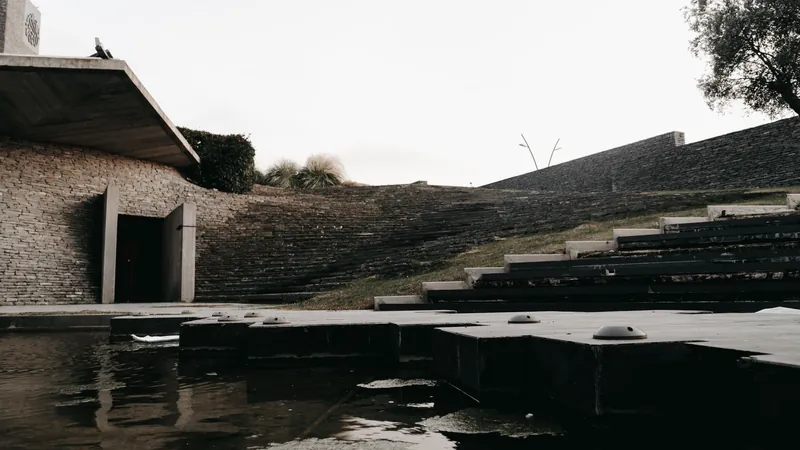
The Salk Institute for Biological Studies opened in 1963 with financial support from the National Foundation/March of Dimes. The campus was designed by architect Louis Kahn in partnership with Jonas Salk, the scientist who created the first safe and effective polio vaccine. The collaboration between Kahn and Salk established a facility for biological studies that has operated since 1963.
Best Photo Spots
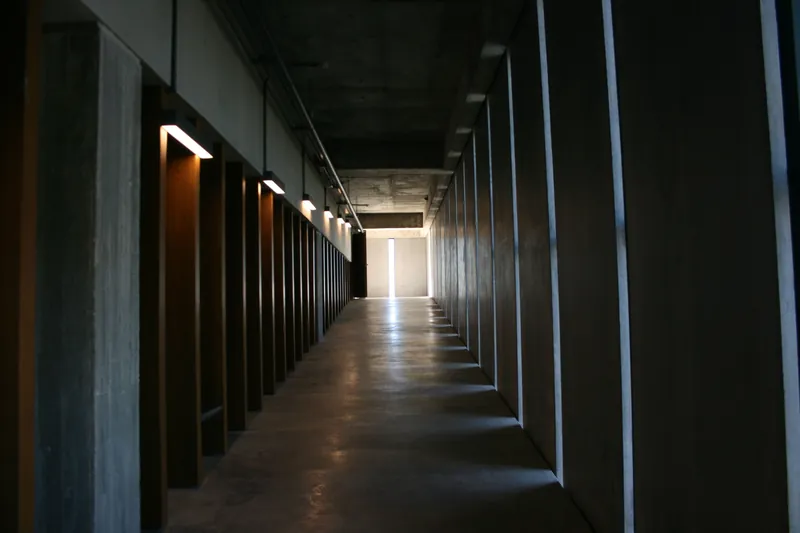
Two modernist architectural photo spots at the Salk Institute include the Central Courtyard and South Garden.
Salk Institute Central Courtyard
Photographs of This Location
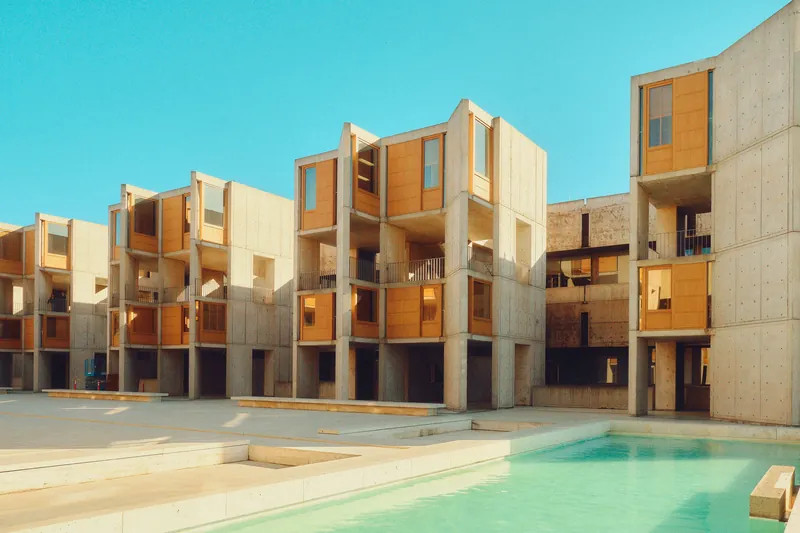
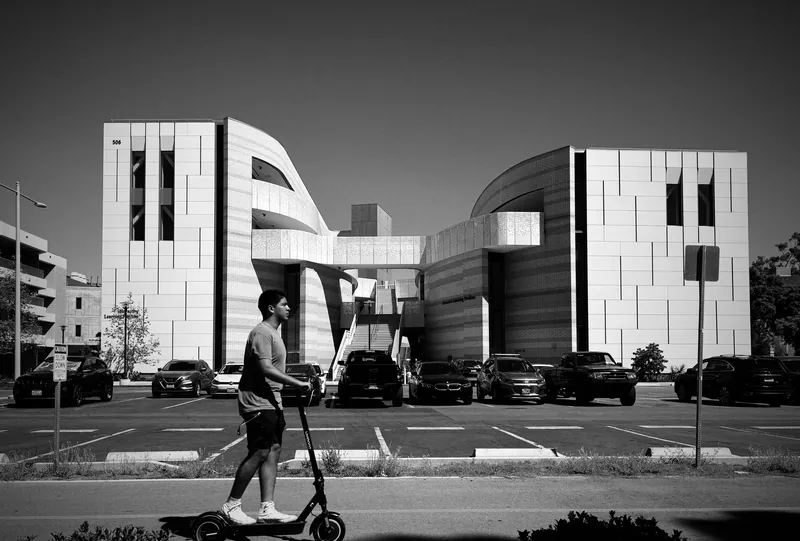
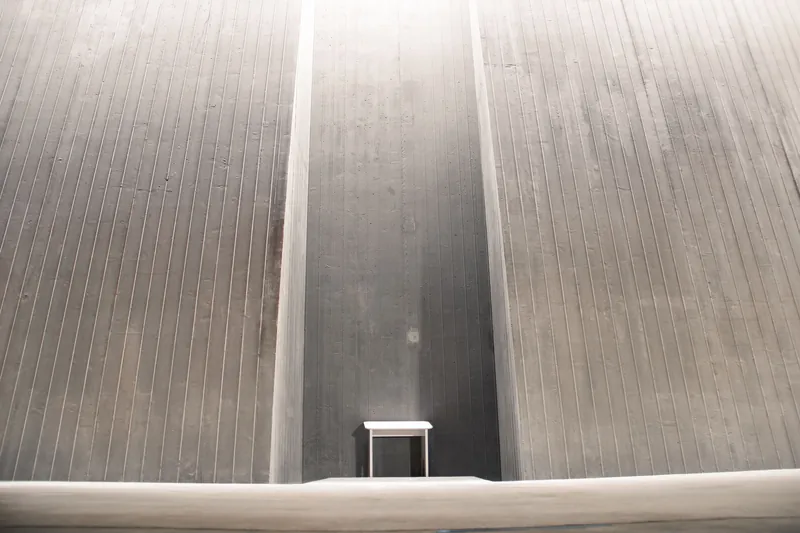
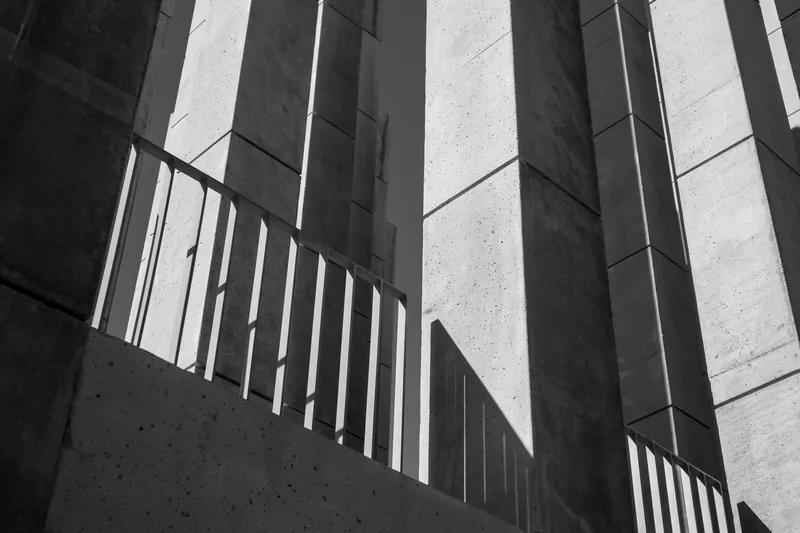
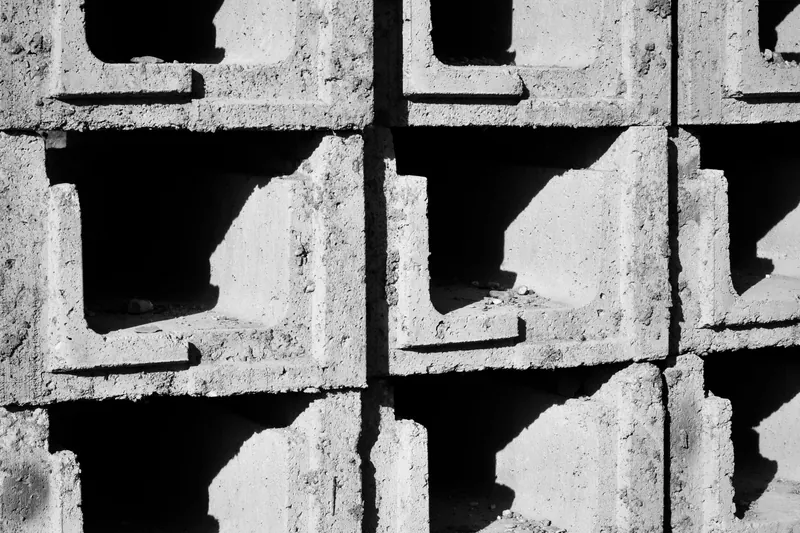
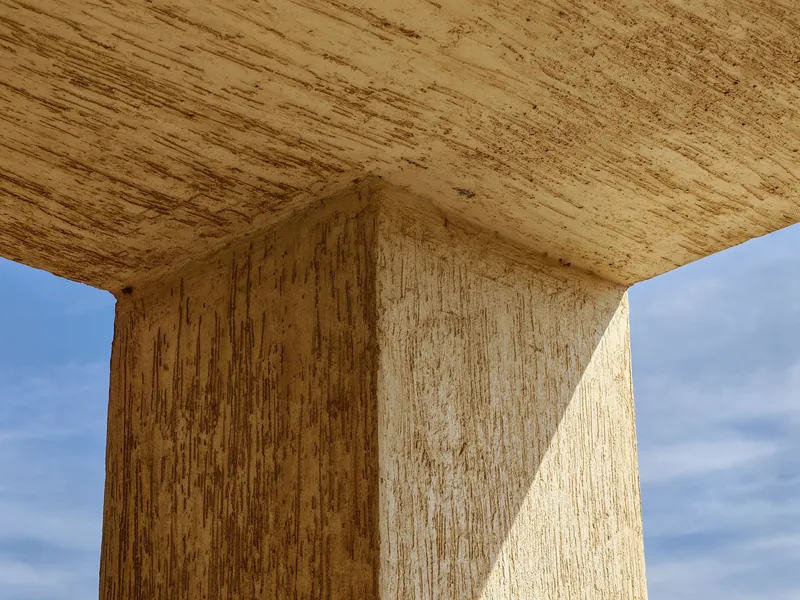
Photographing the Salk Institute's Central Plaza
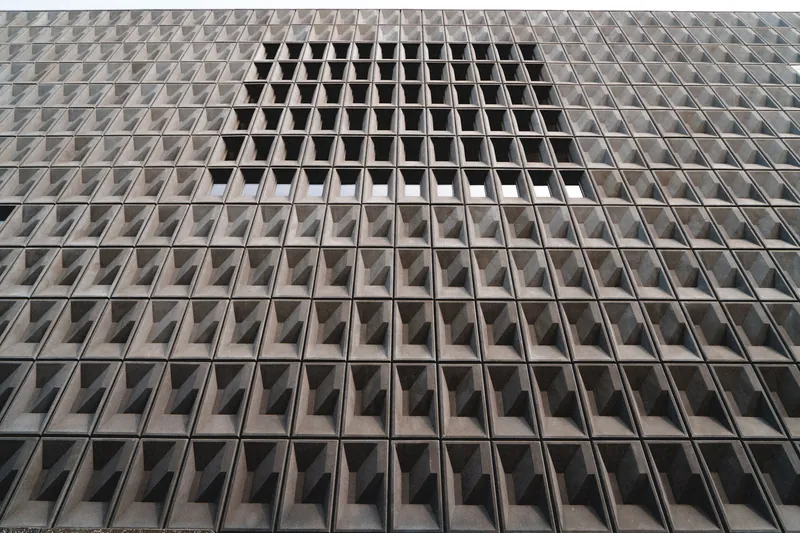
The Salk Institute, completed in 1965 and now a designated historical site, was designed by architect Louis Kahn in collaboration with Mexican architect Luis Barragán. Barragán advised Kahn against a garden for the central courtyard, recommending instead a plaza anchored by a single water feature, a minimalist approach that defines the space today. Photographers should focus on the long axial views framed by the concrete structures and the reflective surface of the water channel running down the center of the plaza.
Common Questions
No, the Salk Institute does not offer any sunset tours.
Salk Institute's Architectural Design and History
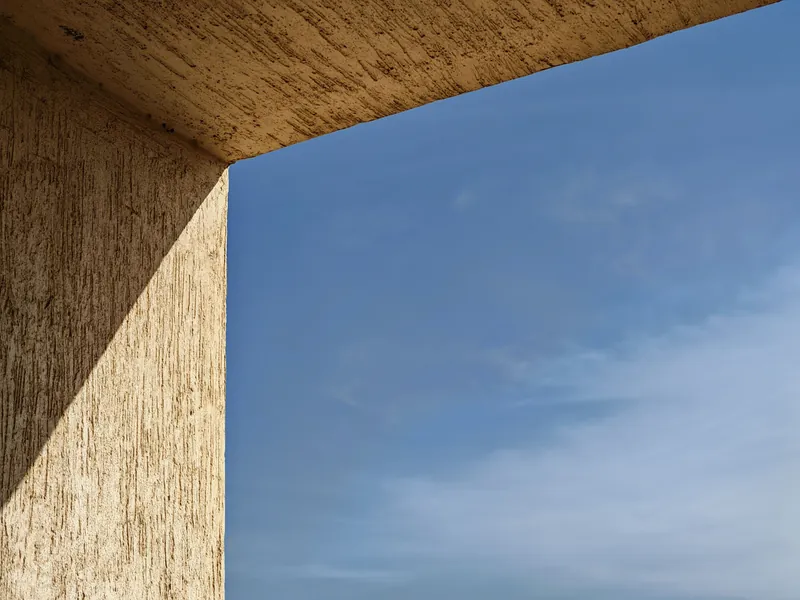
The Salk Institute, founded by polio vaccine developer Jonas Salk with construction beginning in 1962, occupies a bluff overlooking the Pacific Ocean. Fibonacci sequences and the golden ratio shape the architecture, while volcanic ash and ancient Roman techniques give the concrete a warm pinkish glow. The original buildings received historical landmark status in 1991.
Practical Information
UC San Diego Blue Line trolley; 10010 N Torrey Pines Rd, La Jolla, California, 92037, US; taxi
$4.50/hour; Parking is available on several locations near the Salk Institute.
The Salk Institute has been designated a landmark by the City of San Diego and is included on the California State Register of Historic Places.; Wednesdays, Thursdays, Fridays at 10:00 a.m. and 11:30 a.m.; The Salk Institute campus is closed on weekends, holidays, and for private events.
Public Salk Institute tour tickets are purchased online; refunds are available with 24 hours advance notice.; $7.50
Tripods, selfie sticks, lighting set-ups, drones, props, costumes, and other photo equipment are prohibited on Salk Institute tours.; Casual personal photography is permitted during tours but is limited to one hand-held camera or phone without additional equipment.; Formal, staged, and commissioned photography or videography is prohibited at the Salk Institute.
Session Tips
- Photography of the laboratories is strictly prohibited at the Salk Institute.
- A tilt-shift lens shifted slightly upwards yields the best result from the plaza.
- Use a focal length of around 24mm on full frame rather than a wider 17mm lens.
- Stand on the concrete bench to take a higher point of view; a low point of view makes the fountain too dominant.
- The lighting fixtures on the roof slide along rails, which is a notable design feature to consider when photographing the building.
What to Wear
- Tour-goers at the Salk Institute should wear comfortable walking shoes, sunscreen, hats, and layered clothing because tours are outdoors with stairs and uneven surfaces.
When to Shoot
Best Time to Photograph
1:20 PM - 1:44 PM
1:44 PM - 2:44 PM
12:30 AM - 1:30 AM
1:30 AM - 1:55 AM
Best Season
overcast
| Month | Sunrise | Sunset | Daylight |
|---|---|---|---|
| Jan | 06:51 | 17:05 | 10h 13m |
| Feb | 06:32 | 17:34 | 11h 2m |
| Mar | 06:59 | 18:57 | 11h 58m |
| Apr | 06:19 | 19:19 | 13h 0m |
| May | 05:49 | 19:41 | 13h 51m |
| Jun | 05:40 | 19:58 | 14h 18m |
| Jul | 05:51 | 19:58 | 14h 6m |
| Aug | 06:12 | 19:33 | 13h 21m |
| Sep | 06:32 | 18:54 | 12h 22m |
| Oct | 06:53 | 18:15 | 11h 22m |
| Nov | 06:19 | 16:47 | 10h 27m |
| Dec | 06:44 | 16:44 | 9h 59m |
What to Expect During Your Session
For the plaza, a focal length of around 24mm on full frame works better than a wider 17mm lens, and a tilt-shift lens shifted slightly upward produces the strongest result. Climbing onto the concrete bench provides a higher vantage point, since a lower view tends to make the fountain too dominant in the frame. The one-hour architectural tour also leaves time to notice the roof's lighting fixtures, which slide along rails as part of the building's design.
Salk Institute architectural tours last approximately one hour.
Getting There
Access & Transit
- Wheelchair access
- Salk Institute architectural tours are ADA accessible.
- Walking distance
- All tour guests must check in at the Security/Reception entrance in the southern front building of the campus.