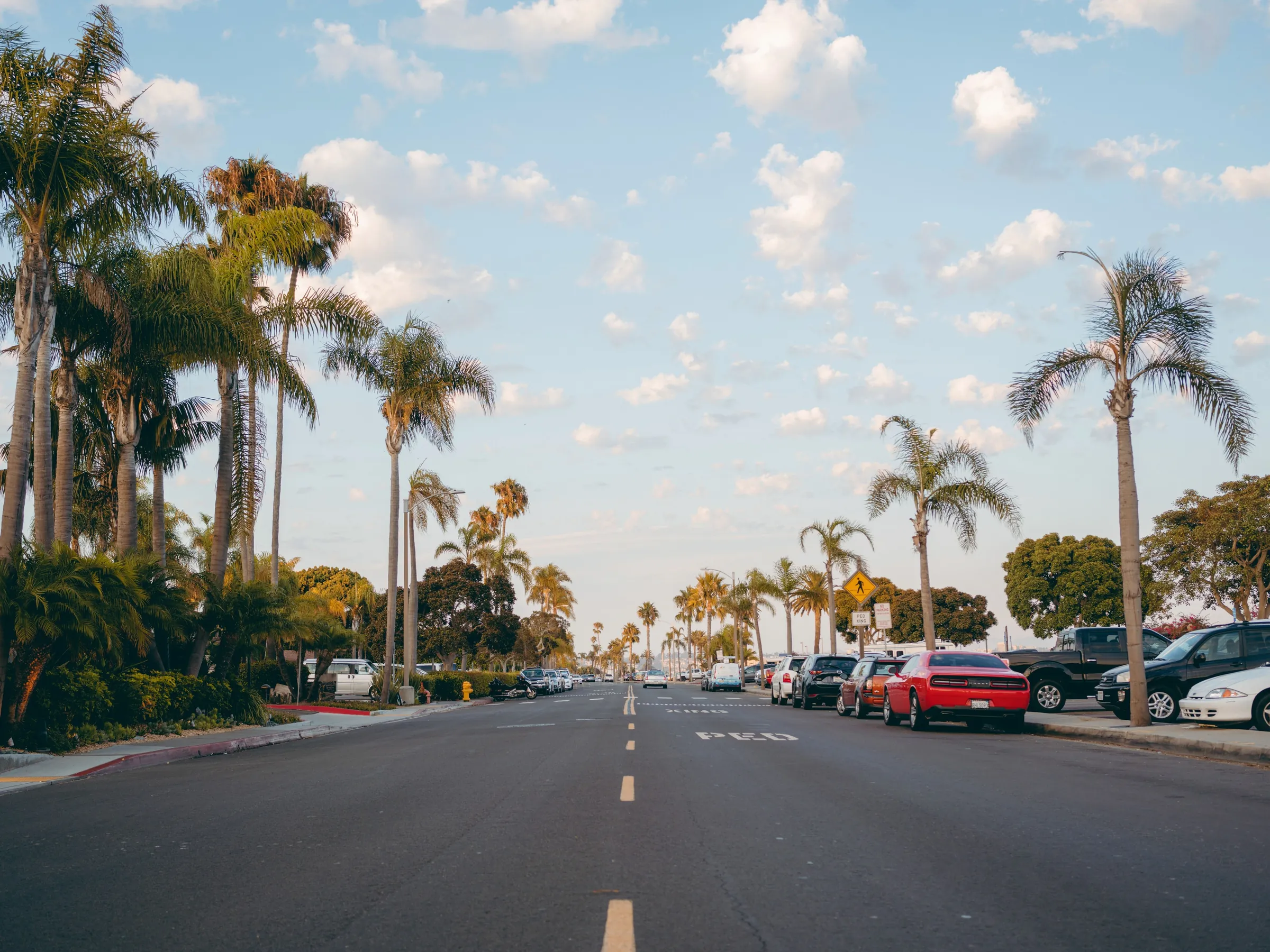
Chicano Park
Chicano Park is home to the largest collection of outdoor murals in the United States.
Chicano Park is a 7.9-acre site beneath the San Diego-Coronado Bridge in Barrio Logan, founded April 22, 1970 after a 12-day protest. It contains the largest collection of outdoor murals in the United States, painted on the freeway bridge supports by Latinx artists, and became a National Historic Landmark on December 23, 2016.
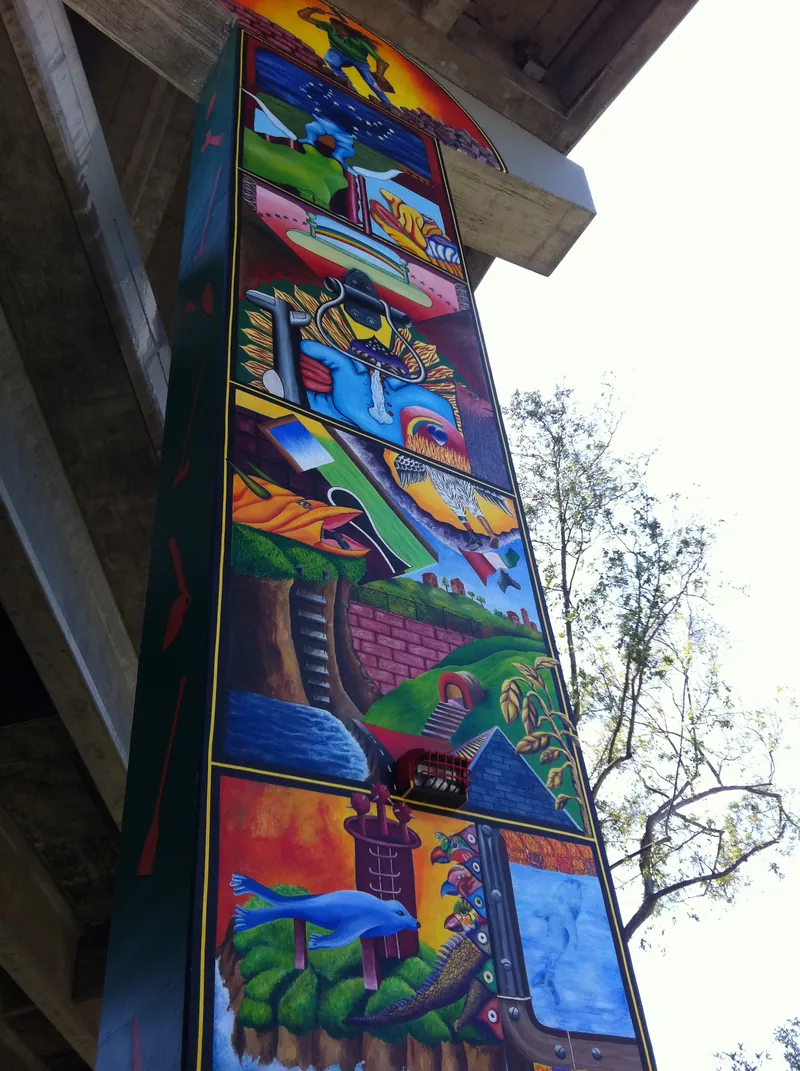
Chicano Park History and Murals
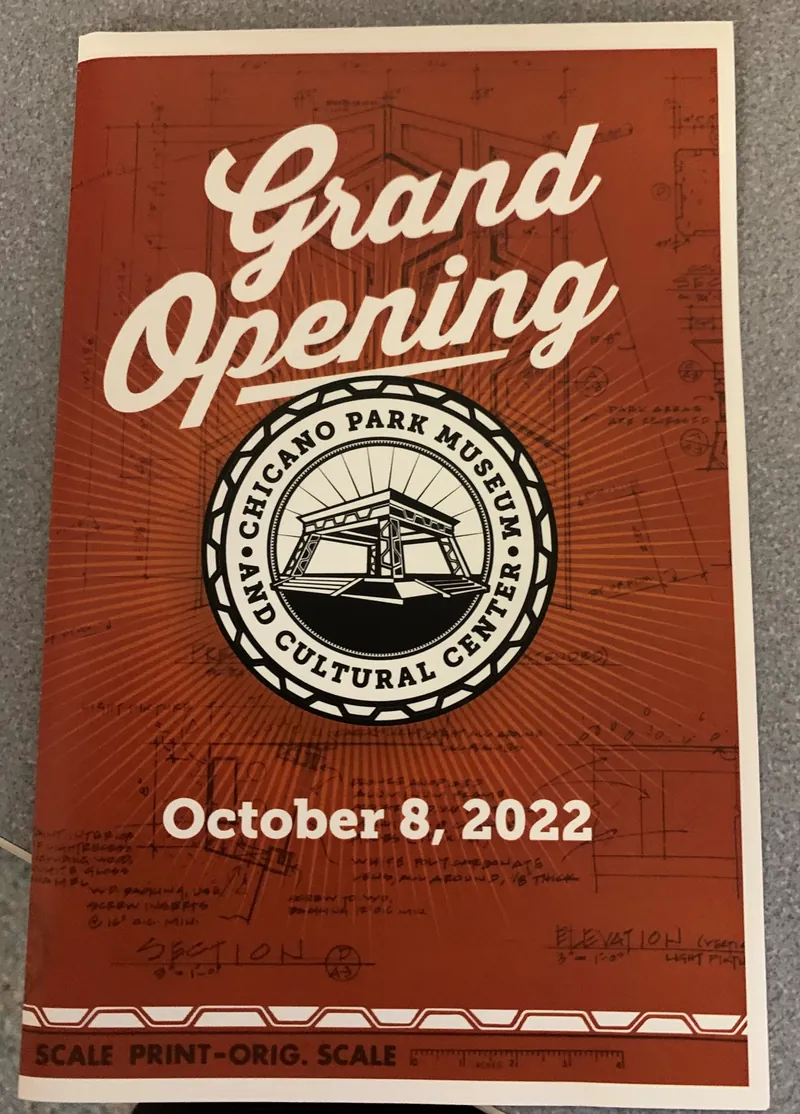
Chicano Park sits beneath the Coronado Bridge in San Diego, established after protesters led by the Brown Berets occupied the site in the early 1970s when the construction of I-5 and the bridge had divided the surrounding Chicano community. The first murals were painted in the early 1970s by Los Toltecas en Aztlan and El Congreso de Artistas Chicanos en Aztlan, and a Mural Marathon from April 1 to April 22, 1978, added approximately 10,000 square feet of painted surfaces. The park was added to the National Register of Historic Places on January 23, 2013, and designated a National Historic Landmark in December 2016. The Chicano Park Museum and Cultural Center, which opened on October 8, 2022, hosts exhibitions such as "PILLARS: Stories of Resilience and Self-Determination."
Best Photo Spots
Here are 6 photo spots in Chicano Park featuring murals, a kiosko, a fountain, a skate park, and the park itself.
Chicano Park
Photographs of This Location
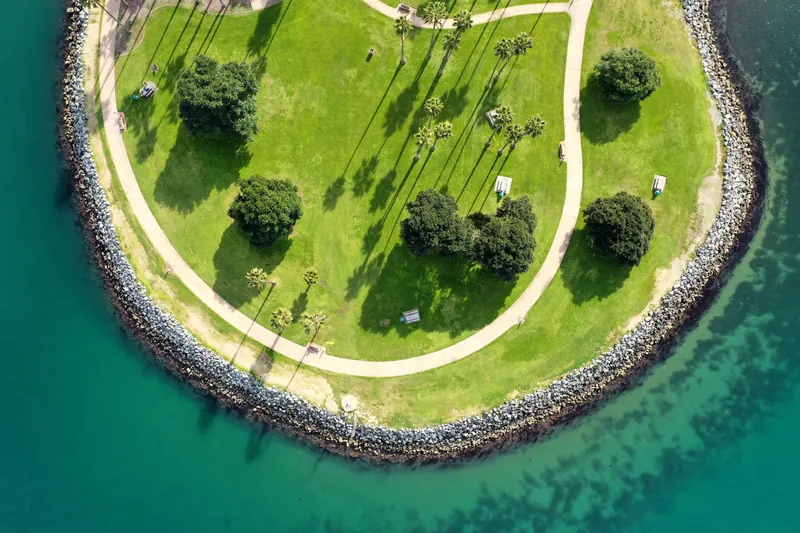
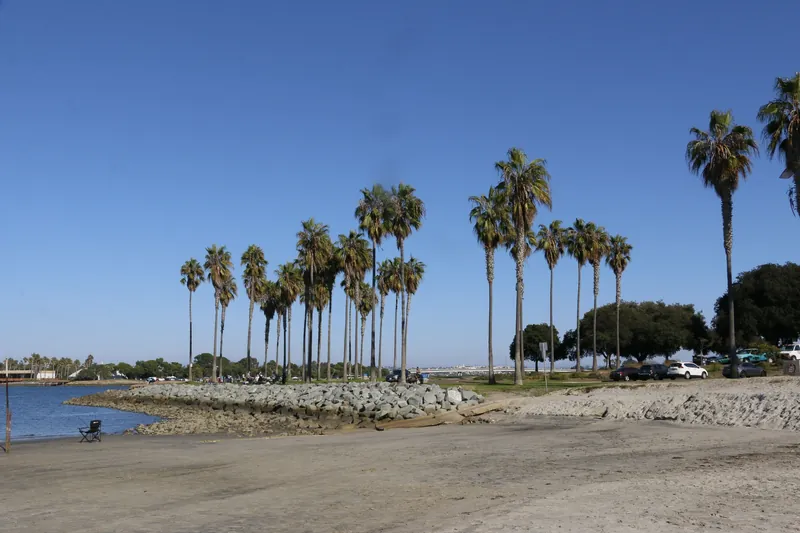
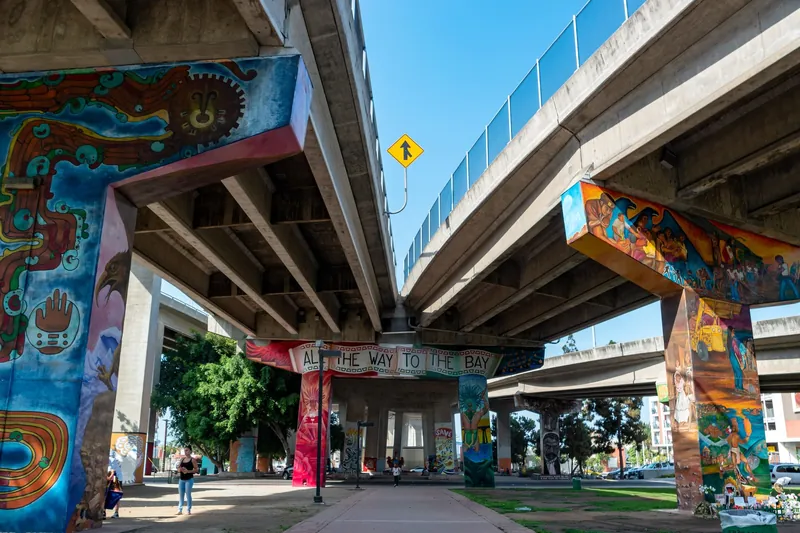
Chicano Park Murals in Barrio Logan
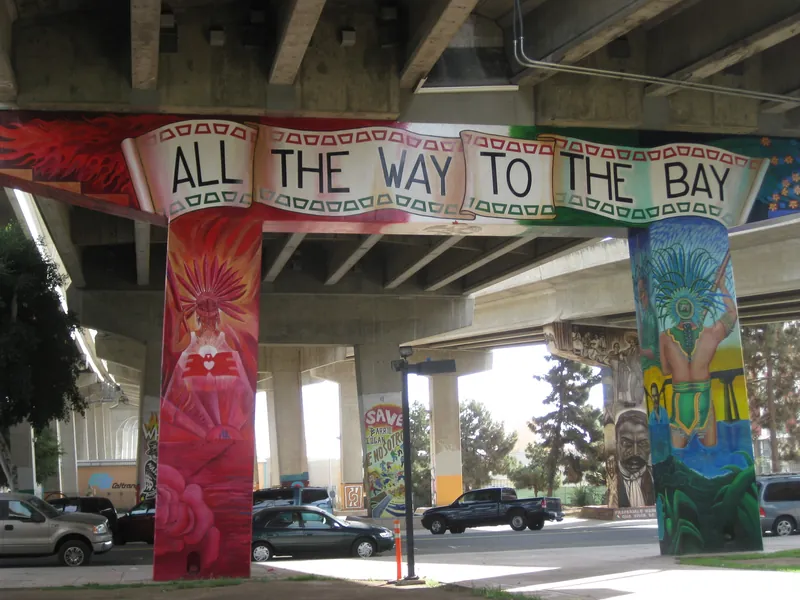
Beneath the Interstate 5 and Coronado Bridge overpasses in San Diego's Barrio Logan, the concrete pillars left after the Coronado Bridge's 1969 completion have been transformed by local artists into dense clusters of vividly colored murals depicting the Mexican immigrant experience. The park originated on April 22, 1970, when student Mario Solis discovered construction crews planning a Highway Patrol station under the bridge, sparking a 12-day community occupation that halted the work. The bordering street is now Chicano Park Boulevard, and 18 of the murals received a state-funded restoration completed in August 2012.
Common Questions
The museum is open Thursday through Sunday, 11:00 am to 5:00 pm, and closed Monday through Wednesday.
Chicano Park was founded on April 22, 1970, when the community of Logan Heights and Chicano movement activists took over the site to protest construction of a California Highway Patrol station.
Chicano Park is best known for the largest collection of outdoor murals in the United States, painted on the concrete pillars of the San Diego–Coronado Bridge.
Chicano Park is significant as an international phenomenon born from a protest that reclaimed land for the Barrio Logan community and turned it into a celebrated green space with murals.
Chicano Park: Murals and History
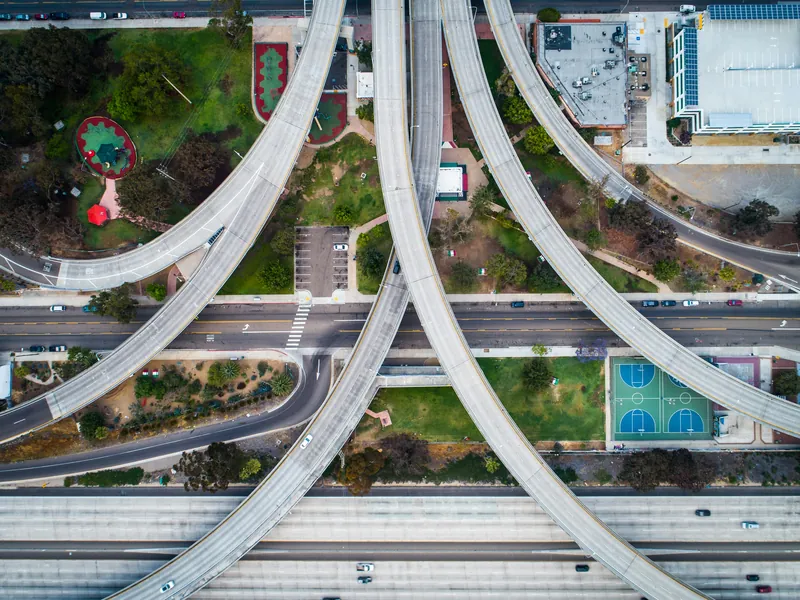
Chicano Park sits beneath the Interstate 5 and Bay Bridge interchange in Barrio Logan, where a twelve-day community occupation in April 1970 pressured the city into developing the land as a park. The defining landmark is the Kiosko, constructed between 1972 and dedicated in 1977, surrounded by dozens of murals painted on the freeway support pylons, a vision first proposed by Salvador Torres, a longtime resident whose family home was lost to freeway construction. The murals honor a long cultural lineage reaching back to the Aztecs and have made the site known as a liberated zone of reclaimed ancestral land. Photographers should plan for soft, diffused light under the freeway deck, where the painted columns and the Kiosko are best captured in the morning hours.
Practical Information
San Diego, CA 92113; 1960 National Ave, San Diego, CA
There are two small parking lots accessible from both Logan and National Ave, and street parking is also available.; Parking is available at Chicano Park via both street parking and a parking lot.; There is no private museum parking lot.
Closed June 19 and June 21; Monday-Wednesday closed; Thursday-Sunday 11:00 am – 5:00 pm
Free
Tipps fürs Shooting
- Chicano Park Steering Committee monthly meetings are held on the 4th Sunday of the month at 1pm in the community room at the Chicano Park Museum & Cultural Center, and are open to all.
- No alcohol and no pets are allowed at the Chicano Park Day commemoration.
- Photographers should take their time when visiting Chicano Park to really soak up each and every pillar.
- Mural restoration projects began in 1984 and the murals have been restored almost continuously ever since, including a large 2012 restoration that fully completed by the 2013 anniversary.
- Because some of the murals may have been replaced, it is worth revisiting Chicano Park to see the current artwork.
When to Shoot
Best Time to Photograph
1:19 PM - 1:44 PM
1:44 PM - 2:44 PM
12:30 AM - 1:30 AM
1:30 AM - 1:54 AM
Beste Jahreszeit
April
| Monat | Sonnenaufgang | Sonnenuntergang | Tageslicht |
|---|---|---|---|
| Jan | 06:50 | 17:05 | 10h 14m |
| Feb | 06:31 | 17:34 | 11h 2m |
| Mar | 06:58 | 18:56 | 11h 58m |
| Apr | 06:18 | 19:18 | 12h 59m |
| May | 05:49 | 19:40 | 13h 50m |
| Jun | 05:40 | 19:58 | 14h 17m |
| Jul | 05:51 | 19:57 | 14h 5m |
| Aug | 06:12 | 19:33 | 13h 20m |
| Sep | 06:32 | 18:54 | 12h 22m |
| Oct | 06:52 | 18:15 | 11h 22m |
| Nov | 06:18 | 16:47 | 10h 28m |
| Dec | 06:43 | 16:44 | 10h 0m |
What to Expect During Your Session
Chicano Park sits beneath freeway pillars in Barrio Logan, where concrete columns display monumental murals that have been restored almost continuously since 1984, with a major 2012 project finished by the 2013 anniversary. A visit timed to Chicano Park Day on April 22 or the nearest Saturday offers chances to photograph Aztec dance performances, lowrider exhibitions, and children's art workshops, with no alcohol or pets permitted during the event. Because murals are periodically replaced, multiple visits are worthwhile, and photographers can gain context by attending the Steering Committee's monthly meetings on the fourth Sunday at 1pm in the Chicano Park Museum & Cultural Center.
A 1978 Mural Marathon spanned 21 days, from April 1 to April 22, during which roughly 10,000 square feet of murals were painted.
“In quiet moments, the din of traffic evaporates and the monumental pillars become prisms reflecting the community's history and struggle.”
Getting There
Access & Transit
- Barrierefrei
- Chicano Park is wheelchair accessible.
- Öffentliche Verkehrsmittel
- Barrio Logan; UC San Diego Blue Line to Barrio Logan; Interstate 5 / San Diego-Coronado Bay Bridge
- Fußläufig
- The museum's Chicano Park-side entrance connects directly to the park.